
Overview
A change in leadership and strategy meant Coles, one of Australia’s largest retailers, needed to take an equally significant change in its approach to enterprise architecture.
Historically, Coles had taken a very project focused approach to technology using a range of implementation partners and methodologies. Although that met immediate needs, storing solution architecture documents was inconsistent, which made it difficult to have an accurate and complete view of the technology estate. This made long-term planning and lifecycle management almost impossible, according to Daniel Nicholson, Coles’ Acting Head of Enterprise Architecture.
Client
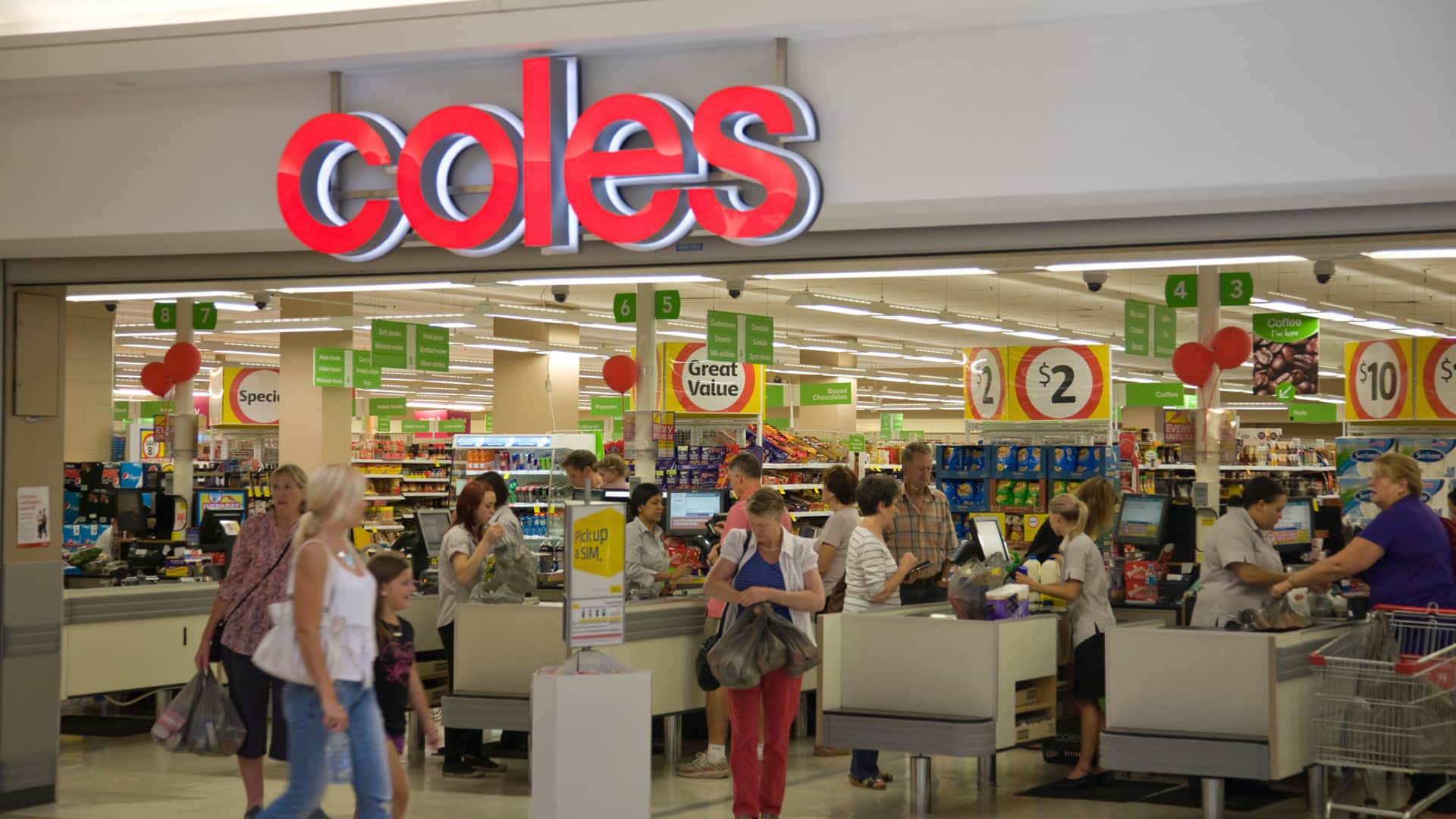
Coles is one of Australia’s leading retailers, with an extensive footprint of over 1,800 retail outlets nationally. They employ more than 120,000 team members, engage with more than 8,000 suppliers, and welcome millions of customers through their store network and digital platforms every week.
Product and service
The Coles technology team supports several business units and functions: corporate, Coles Supermarkets, Coles Express, Liquorland, Vintage Cellars, First Choice Liquor and supply chain, as well as customer, team and merchandising systems. The group has about 400 core applications and 1,500 smaller applications, ranging from microsites to complex spreadsheets.
The architecture team spent dozens of hours each month assembling reports from multiple sources for issues such as life cycle management, risk registers and domain maps.
Speaking a common language
A dedicated effort to define a business capability model that mapped every application to a business capability led Coles to SAP LeanIX. This introduced a common language for the applications and illustrated how they fit into the broader landscape in the group.
Implementing SAP LeanIX was a relatively straightforward effort for Coles. It used the Jumpstart program from Kapish and started with adding the group’s most critical applications and tagging them appropriately. SAP LeanIX provided a holistic view across Coles’ complex technology estate. This enabled the Coles enterprise architecture team to:
- Centrally store and manage data and metadata about applications, systems, integrations and their capabilities.
- Create reporting, registers and diagrams to support ongoing and upcoming projects and programs of work.
- Make informed decisions about risk, lifecycle management and capability.
Rapid results
It’s now quick and easy for the enterprise architecture team to identify which business functions an application supports. This has revealed opportunities to simplify, retire or invest in applications to provide better support to the broader group. SAP LeanIX provides this detail in a live and dynamic dashboard.
Reporting on application attributes is the most frequently used feature of SAP LeanIX at Coles. For example, architects can view all applications associated with a specific business capability. The dashboard provides fact sheets and architects can update information on the fly, too.
Coles is planning to integrate SAP LeanIX with ServiceNow, which stores information about the group’s services, operating systems, middleware and databases. This will provide a lifecycle management view across all applications, enabling the architecture team to proactively take a forward view on its lifecycle planning.